Building My Backyard Food Forest
Gardening, Home, Food Forest
Building My Backyard Food Forest
How transforming 400 square feet into a perennial food garden is changing the way I think about food, beauty, and the harvests to come.
By Pamela “Chef Mela” Chance
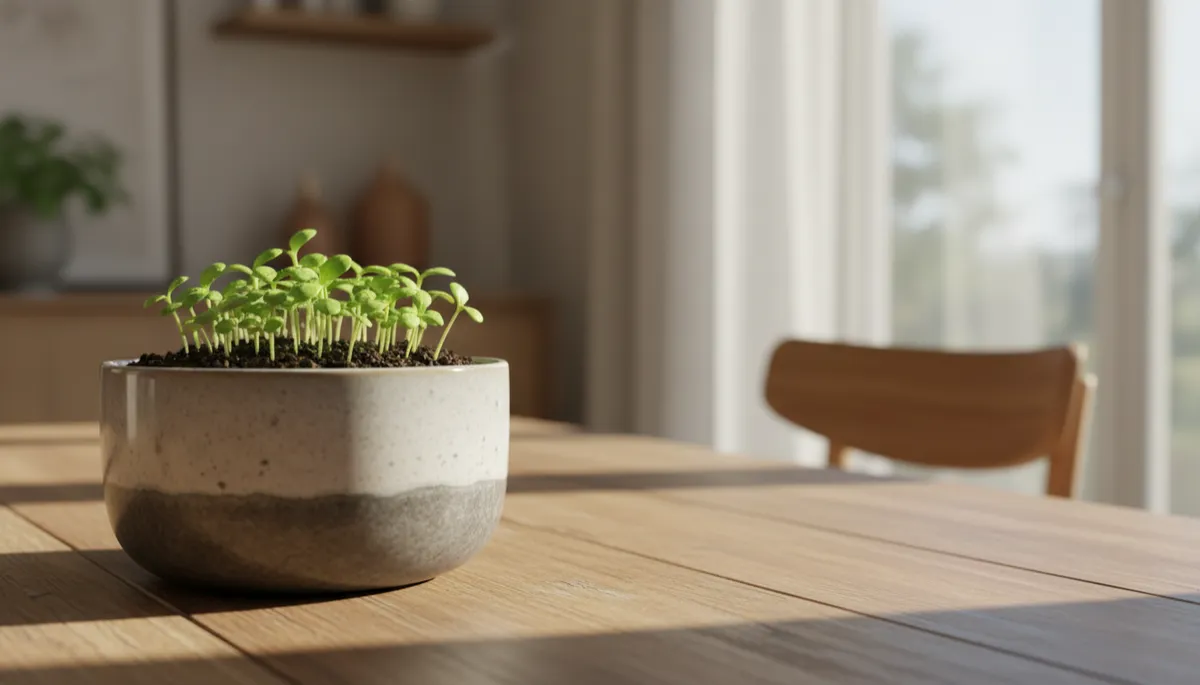
There is something deeply satisfying about walking into your backyard and picking something you can actually eat.
Not a centerpiece. Not a decorative plant that requires constant attention. Real food. Fresh, beautiful, delicious food that you grew yourself.
I've always believed that the best things in life are meant to be enjoyed, and that includes the space surrounding our homes. So when I looked at a section of my backyard, I saw more than grass, weeds, and another maintenance project. I saw an opportunity.
I wanted a food forest.
Now, before you picture me clearing acres of land with a tractor, let me explain. I'm talking about approximately 400 square feet of intentional, productive growing space, the beginning of a larger edible landscape that blends fruit trees, berries, perennial plants, and flowers into something beautiful and useful.
Because if I'm going to spend time and money maintaining a yard, I would certainly prefer that some of it feed me!
From Lawn to Living Pantry
My vision isn't a traditional vegetable garden with neat little rows of annual plants that have to be replanted every season. I want a system that becomes more productive as it matures.
A food forest takes inspiration from nature. Instead of growing only one type of plant, you create layers of complementary plants, sometimes called guilds, that work together.
A fruit tree provides the upper layer. Smaller shrubs and herbs fill the spaces beneath. Groundcovers help protect the soil, flowers attract pollinators, and organic matter gradually improves the growing environment.
The goal is a landscape that requires thoughtful care, not constant intervention.
And because I live in Georgia, where the growing season is generous but the deer seem to think they're on the deed, protecting everything is part of the plan.
The Beginning of Something Delicious
I started with fruit trees I genuinely enjoy eating from, including Fuji and Gala apples, peach trees, Ayers and Kieffer pears, a persimmon, and a pomegranate. I also added a Sunshine Blue blueberry plant.
Existing muscadine vines were already providing a glimpse of what was possible. I harvested approximately seven pounds of muscadines one season, and that was all the encouragement I needed.
There is a special kind of excitement in harvesting something you've watched grow.
And there is a practical side. Fresh muscadines can become preserves, sauces, jellies, or something wonderful in the kitchen. Peaches can become cobblers, and pears can become desserts or beautiful additions to savory dishes.
I don't need everything to ripen at once. In fact, I'd rather have a succession of seasonal harvests, each bringing something different to the table.
Of course, planting fruit trees is the beginning, not the finish line. They need time to establish, and productive varieties need appropriate pollination, pruning, water, and protection.
Nature has its own schedule. Apparently, it did not receive my project timeline.
Planting for Beauty and Purpose
I want my outdoor space to feel like a retreat, not a second job.
I love hydrangeas, attractive borders, green spaces, and places to sit quietly with a cup of tea. I also enjoy knowing that tucked into that beauty might be a blueberry bush, a fruiting vine, or a fragrant herb waiting to become dinner.
The two ideas aren't mutually exclusive.
A beautiful yard can also be productive. A kitchen garden can be attractive enough to entertain in. And a small backyard can contribute meaningfully to how a household eats.
For me, sustainable living isn't about deprivation. It's about making better use of what I already have.
Why This Matters Beyond the Garden
Food has always represented more than nourishment in my life.
I grew up with parents whose roots were in Mississippi, where food, family, and hospitality were closely connected. The kitchen was a place where you learned, contributed, laughed, and occasionally got corrected for getting in somebody's way.
Growing food adds another chapter to that relationship.
When you grow your own ingredients, you begin to appreciate their seasons, their freshness, and the work required to bring them to the table. You become more thoughtful about waste. You learn to preserve what you cannot immediately use.
And perhaps most importantly, you discover that some of life's richest pleasures are surprisingly simple.
My Food Forest Is Still Growing
I'm not presenting my backyard as a fully mature food forest with baskets of fruit spilling over the edges.
Not yet.
Right now, I'm building the foundation: selecting plants, understanding my soil, creating protective structures, and learning what thrives in my particular corner of Georgia.
Some things will work beautifully. Others will become valuable lessons. That's gardening.
But I can already see the future: fresh peaches for summer desserts, pears for the fall table, muscadines for homemade preserves, and an outdoor sanctuary where the landscape gives something back.
And when that happens, I intend to bring you along, from the garden to the kitchen, with recipes, practical tips, and probably a few stories about my ongoing negotiations with the local deer.
💡 Tip from Pamela: Start with foods you already love to eat. A garden isn't more successful because it's complicated. It's successful when you actually enjoy the harvest.
Welcome to my food forest. We're growing something delicious.
